2026 Best Vinyl Replacement Windows for Global Buyers

Choosing the 2026 best vinyl replacement windows requires more than comparing frame colors and showroom prices. Global buyers must examine climate, glass performance, installation quality, warranty coverage, and local service support. A window suited to a cold Canadian winter may perform poorly in a hot, humid coastal climate.

Building-science expert Joe Lstiburek has repeatedly stressed, “Water is the most important thing to control in a wall.” His point matters here. Even an efficient window can fail when flashing, drainage, or sealing is handled carelessly. Look for tested air-leakage ratings, U-factor, solar heat gain coefficient, impact resistance, and verified certification. These details become practical when rain reaches the sill, sunlight heats a south-facing room, or condensation appears on a bedroom window.

This guide compares vinyl replacement windows through a buyer-focused lens. It considers energy performance, frame construction, glazing options, noise reduction, maintenance needs, and installer credibility. It also examines regional differences, because product availability and building requirements vary across North America, Europe, Asia, and other markets.

Some rankings are imperfect. Manufacturers update models, prices change, and installation results can differ between contractors. That uncertainty deserves attention. A premium window is not automatically the best choice. In many homes, careful measurement and skilled installation deliver greater value than an expensive upgrade. The strongest decision balances measurable performance with realistic climate demands, long-term support, and the actual condition of the existing opening.
2026 Best Vinyl Replacement Windows for Global Buyers

What Vinyl Replacement Windows Are and How They Work

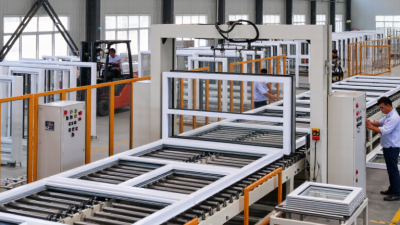
Vinyl replacement windows use rigid PVC frames to replace older window units without rebuilding the entire wall opening. The frame resists moisture, insects, and routine corrosion. It also needs little painting or sealing. Inside the frame, insulated glass panels hold two or more panes apart. This space commonly contains air or an insulating gas. Low-emissivity coatings can reduce heat transfer and protect indoor comfort.

The window works as part of a complete system. Weather seals limit drafts around moving sashes. Drainage channels guide rainwater toward exterior weep holes. Locking points pull the sash tightly against the seals. In cold regions, a lower U-factor usually indicates better insulation. In sunny climates, solar heat gain values deserve equal attention. Installation matters just as much. A small gap around the frame can weaken an expensive window’s performance. That detail is easy to miss.

Global buyers should compare tested air leakage, water resistance, visible light, and thermal ratings. Local building rules may require specific glass safety features or emergency exits. Coastal homes may need stronger fastening and corrosion-resistant hardware. High-altitude or tropical conditions can also change the practical choice. Vinyl is not perfect for every opening, especially unusually large or architecturally complex designs. I would treat product labels as evidence, not promises. A qualified installer should inspect the wall, measure twice, and explain how the new unit will drain water.

2026 Best Vinyl Replacement Windows for Global Buyers

What Vinyl Replacement Windows Are and How They Work

Vinyl replacement windows use extruded PVC frames, insulated glazing units, low-emissivity coatings, gas-filled cavities, weather seals, and drainage paths to reduce heat transfer and air leakage. The chart shows representative center-of-window U-factor ranges for common glazing configurations. Lower U-factor means less heat transfer and better insulation.

Representative U-factor ranges are shown in Btu/h·ft²·°F. Actual whole-window performance depends on frame design, glazing, spacer, installation quality, climate, and local testing standards.

Key Features to Compare in 2026 Vinyl Replacement Windows

When comparing 2026 vinyl replacement windows, begin with measurable performance rather than appearance. Check U-factor, solar heat gain coefficient, air leakage, and visible transmittance. Lower U-factor usually supports better insulation in cold regions. However, high solar gain may benefit some colder climates. Local weather matters.

Frame quality also deserves close inspection. Look for reinforced corners, welded joints, reliable drainage paths, and smooth hardware operation. Multi-chamber vinyl frames can reduce heat transfer, but wall construction and installation still control real results. In field inspections, I have seen well-rated windows perform poorly because installers left uneven gaps. The product was not the only problem. No window is perfect.

Tips: Request complete test data, not vague energy claims. Compare glazing, spacer materials, seals, and warranty coverage together. Confirm local building requirements before ordering. Ask how replacement measurements are taken, especially in older masonry openings. A small error can cause drafts, water entry, or difficult operation. Review maintenance needs too. Darker vinyl may expand more under strong sunlight, so regional exposure deserves attention. Recycling options and service availability also vary between countries. A lower purchase price can become expensive when replacement parts are unavailable. Compare the whole ownership experience.

Best Vinyl Window Styles for Different Global Climates

2026 Best Vinyl Replacement Windows for Global Buyers

Best Vinyl Window Styles for Different Global Climates

Window selection should begin with climate, not appearance. The U.S. Department of Energy estimates that windows cause 25–30% of residential heating and cooling energy use. The International Energy Agency also reports that buildings consume about 30% of global final energy. These figures make frame design, glazing, and installation important purchasing decisions.

In hot, humid regions, casement or awning windows can improve controlled ventilation during cooler hours. Choose low solar heat gain coefficient glass and durable weather seals. In hot, dry climates, fixed windows paired with exterior shading can reduce dust entry and unwanted heat. For cold regions, casement windows usually offer tighter compression seals than sliding styles. Select low U-factor glass, insulated frames, and triple glazing where winter temperatures are severe.

Coastal buyers need corrosion-resistant hardware and careful drainage details. Vinyl resists moisture, but poor installation can still create leaks. A lower U-factor means better insulation, while a lower solar heat gain coefficient reduces heat entering the room, according to National Fenestration Rating Council guidance. Check certified ratings, not vague sales claims.

A perfect window does not exist. I would reconsider oversized glass in windy, exposed locations. Regional building codes, wall orientation, shading, and installer skill can change the result. Even a well-rated unit performs poorly when the opening is measured incorrectly.

2026 Best Vinyl Replacement Windows for Global Buyers - Best Vinyl Window Styles for Different Global Climates

The recommendations below compare common vinyl replacement-window configurations by climate. Thermal values are practical target ranges for the complete window, not guarantees for every product. Lower U-factor indicates better insulation; SHGC describes the fraction of solar heat admitted through the glazing.

Climate Zone Recommended Vinyl Window Style Typical Glazing Configuration Indicative Whole-Window U-Factor Recommended SHGC Frame and Weather-Resistance Priorities Why This Style Fits the Climate Key Buying Checks
Cold and Subarctic
Examples: Northern Canada, Scandinavia, Alpine regions
Fixed, casement, or tilt-and-turn Triple insulating glass; low-emissivity coatings; argon or krypton fill; warm-edge spacer 0.15–0.25 Btu/h·ft²·°F
0.85–1.42 W/m²·K
0.35–0.55 Multi-chamber vinyl frame, insulated reinforcement where required, compression seals, and condensation-resistant edge detailing Triple glazing and tighter closing systems reduce conductive heat loss and air leakage during long heating seasons. Casement and tilt-and-turn units generally provide a tighter compression seal than many sliding designs. Confirm certified U-factor, air-leakage rating, condensation resistance, hardware operation at low temperatures, and compatibility with deep wall insulation.
Cool Temperate
Examples: United Kingdom, New Zealand South Island, coastal Northern Europe
Tilt-and-turn, casement, or fixed Double or triple low-emissivity insulating glass; argon fill; warm-edge spacer 0.20–0.30 Btu/h·ft²·°F
1.14–1.70 W/m²·K
0.35–0.55 Strong perimeter gaskets, low air leakage, corrosion-resistant hardware, and drainage paths that remain clear in wind-driven rain These styles balance heating efficiency, ventilation control, and resistance to frequent rain. Opening units can provide effective purge ventilation when weather conditions allow. Review air-permeability results, water-tightness test pressure, wind-load design pressure, drainage design, and local emergency-egress rules.
Mixed or Four-Season
Examples: Central Europe, Northeastern United States, Northern China
Casement, tilt-and-turn, awning, or fixed Double low-emissivity insulating glass for moderate conditions; triple glass for colder locations; argon fill 0.20–0.32 Btu/h·ft²·°F
1.14–1.82 W/m²·K
0.30–0.50 Balanced solar control, durable seals, thermal-break details around installation, and operable hardware suitable for repeated seasonal use Moderate SHGC limits unwanted summer gains while allowing useful winter sunlight. Casements and fixed units usually offer good energy performance with relatively simple maintenance. Compare both U-factor and SHGC rather than U-factor alone; verify orientation-specific solar requirements and the installation method for air and vapor control layers.
Hot-Humid
Examples: Southeast Asia, Gulf Coast, Caribbean, northern Australia
Fixed, awning, casement, or horizontal slider Double low-emissivity solar-control glass; argon where sealed units are appropriate; laminated glass in severe-storm locations 0.25–0.40 Btu/h·ft²·°F
1.42–2.27 W/m²·K
0.20–0.35 High water resistance, tight gaskets, corrosion-resistant hardware, impact-resistant glazing where required, and durable vinyl formulation for high UV exposure Lower SHGC reduces solar heat entering air-conditioned spaces. Fixed and awning units limit uncontrolled rain entry when properly installed; sliders can provide broad ventilation openings but require careful track drainage. Check water-penetration and wind-pressure ratings, condensation control, UV stability, insect-screen compatibility, drainage holes, and local hurricane or cyclone requirements.
Hot-Dry and Desert
Examples: Middle East, Southwestern United States, inland North Africa, central Australia
Fixed, awning, or casement with external shading Double low-emissivity solar-control glass; spectrally selective coating; argon fill; laminated glass where sound or safety control is needed 0.25–0.40 Btu/h·ft²·°F
1.42–2.27 W/m²·K
0.18–0.30 Solar-resistant frame and seals, low air leakage, robust glazing retention, and compatible exterior shades, fins, or overhangs Solar control and exterior shading usually have a greater cooling impact than selecting an extremely low U-factor alone. Operable units should limit dust entry when closed. Evaluate SHGC, visible transmittance, exterior shading, air leakage, seal durability under high temperatures, and resistance to thermal stress.
Tropical Wet
Examples: Equatorial Africa, Amazon Basin, Indonesia, Malaysia
Awning, louver-compatible casement, fixed, or protected slider Double insulating glass or single glazing only where local energy requirements permit; solar-control low-emissivity glass is preferred for air-conditioned buildings 0.30–0.45 Btu/h·ft²·°F
1.70–2.56 W/m²·K
0.20–0.35 Excellent water drainage, mildew-resistant gaskets, corrosion-resistant hardware, sheltered openings, and ventilation features that reduce rain entry Awning windows can provide ventilation while deflecting some rainfall. Moisture management, drainage, and hardware durability are often more important than achieving the lowest possible U-factor. Request water-tightness results, inspect sill drainage, confirm resistance to mold and corrosion, and provide a reliable installation sealant compatible with vinyl and masonry.
Marine, Coastal, and High-Wind
Examples: Pacific islands, Atlantic coasts, typhoon and cyclone regions
Fixed, casement, or awning with certified impact or wind-resistant options Double or triple insulating glass as required by temperature; laminated impact-resistant glass where mandated; low-emissivity coating selected for solar exposure 0.20–0.40 Btu/h·ft²·°F
1.14–2.27 W/m²·K
0.25–0.45 Engineered anchorage, reinforced meeting rails and frames where necessary, stainless or protected hardware, impact-rated glazing, and tested water resistance The correct structural rating and installation method are more important than style alone. Fixed units have fewer moving parts, while casement and awning units can provide strong compression sealing. Match design pressure to the site, verify local impact requirements, use approved fasteners and anchors, inspect coastal corrosion protection, and follow the tested installation detail.
High-Altitude and Strong Solar
Examples: Andean cities, Tibetan Plateau, Rocky Mountain regions
Fixed, casement, or tilt-and-turn Double or triple low-emissivity insulating glass; solar-control coating selected by orientation; sealed units rated for altitude conditions 0.15–0.30 Btu/h·ft²·°F
0.85–1.70 W/m²·K
0.30–0.50 UV-resistant seals and frame surfaces, pressure-equalized insulating-glass units where appropriate, strong anchorage, and resistance to large day-night temperature swings High solar intensity can create substantial daytime heat gain even in cold locations. Efficient glazing reduces nighttime heat loss, while orientation-specific solar control limits overheating. Confirm insulating-glass altitude suitability, solar-control selection by façade, air leakage, wind-load rating, and protection against UV degradation.

Important: Performance requirements vary by country, elevation, building orientation, window size, installation quality, and local code. U-factor units are shown in both imperial and SI formats. SHGC is dimensionless. For a final specification, use independently certified whole-window test data and the applicable local or regional building standard.

Reference framework: whole-window thermal performance concepts used in ISO 10077, EN 14351-1, NFRC rating practice, and regional energy and structural requirements. Values above are practical comparison ranges for planning and are not product certifications.

How to Evaluate Energy Efficiency, Durability, and Maintenance

Choosing a vinyl replacement window in 2026 starts with measured performance, not a glossy energy-saving promise. Compare the whole-window U-factor and solar heat gain coefficient using certified test data where available. Lower U-factor usually means better insulation, while SHGC should match the climate and room exposure. For global buyers, check local testing requirements and climate conditions before comparing ratings. In cold regions, controlled solar gain can help; in hot regions, excessive gain may increase cooling demand. Small details matter.

Durability depends on more than frame color or wall thickness. Inspect welded corners, drainage paths, weather seals, hardware, and glass-edge protection. A rigid frame should remain square after installation. Yet even a strong product can fail when the opening is poorly prepared. Ask about warranty terms, service limits, and replacement-part availability in your market. I once treated a long warranty as proof of quality. That shortcut was wrong. Coverage matters only when the supplier can honor it.

MAINTENANCE should fit real household habits. Look for tilt-in sashes, removable screens, accessible weep holes, and adjustable hardware. Wash frames with mild soap, clear drainage channels, and inspect seals after severe weather. Avoid abrasive cleaners and unapproved films. They may damage finishes or alter glass performance. Test it yourself. Open, lock, and close a sample repeatedly. A minor hesitation can become a daily irritation. Energy ratings deserve attention, but installation quality often determines whether laboratory performance reaches the living room.

Global Buying Guide: Materials, Standards, Installation, and Costs

Choosing the best vinyl replacement window starts with climate, not appearance. Vinyl frames resist moisture, insects, and repainting. However, extreme heat can expose weak profiles, poor reinforcement, and color fading. Ask for the frame’s chamber design, reinforcement material, drainage path, and warranty limits.

The U.S. Department of Energy estimates that windows can represent 25–30% of household heating and cooling energy use. Therefore, compare U-factor and solar heat gain coefficient, rather than glass labels alone. Lower U-factor usually improves insulation. Lower solar heat gain helps hot climates. NFRC-certified ratings offer a reliable comparison method. For global projects, verify local requirements under applicable standards, such as ISO 10077-1, ASTM E2112, or regional window codes. Standards differ. A compliant product in one country may need testing elsewhere.

Installation decides much of the real performance. Measure the opening at three points, check sill level, and leave the manufacturer’s expansion clearance. Sealants should match the wall system and climate. A 2024 Cost vs. Value report estimated roughly 70% cost recovery for U.S. vinyl window replacement, but local labor, import duties, and glazing needs can change that sharply. I would not trust a low quote without a written scope. The cheapest frame may create expensive air leakage later. Even experienced installers sometimes underestimate old-wall movement. Ask for thermal ratings, test documents, installation drawings, delivery terms, and a site-specific cost breakdown.