Why Choose Double Hung Windows for Global Sourcing?
Global sourcing decisions often begin with a practical question: can one window design serve different markets reliably? A double hung window offers a strong answer. Its two movable sashes support controlled ventilation, easier cleaning, and flexible installation. In a sample room, the upper sash releases warm air while the lower sash draws in cooler air. That simple movement can improve everyday comfort.
For purchasing teams, performance matters more than appearance alone. A dependable supplier should provide tested air leakage, water resistance, thermal performance, and hardware durability data. Frame material, glass configuration, screen design, and coating quality also deserve close inspection. These details affect shipping protection, installation time, maintenance, and long-term customer satisfaction. Factory audits, production samples, and documented quality checks can reveal more than a polished catalog. Technical drawings should match the final product.
A double hung window also supports a familiar user experience across residential, renovation, and hospitality projects. However, global sourcing is not automatically efficient. Regional climate conditions, building practices, packaging requirements, and local performance expectations can change the best specification. A design that works well in a mild coastal area may need stronger weather sealing elsewhere. That point is easy to underestimate.
Practical sourcing requires patience. Ask clear questions. Compare evidence. Review imperfect samples honestly. Small issues, such as stiff locks or scratched frames, may signal larger process weaknesses. Reliable partnerships grow through transparent communication, repeat inspections, and realistic lead times. The best choice is not always the cheapest double hung window. It is the product that balances performance, consistency, service, and total project value.
What Are Double Hung Windows?
Why Choose Double Hung Windows for Global Sourcing?
What Are Double Hung Windows?
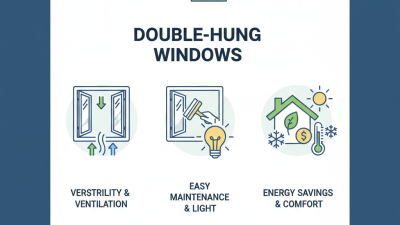
Double hung windows have two movable sashes that slide vertically within one frame. Both sashes can open, unlike single hung windows. This design allows warm air to escape above while cooler air enters below. It also supports easier cleaning when the sashes tilt inward.
In practical sourcing reviews, the frame, balance system, glazing, and weather seals deserve equal attention. A low price may hide weak hardware or difficult maintenance. The U.S. Department of Energy reports that windows can account for 25–30% of residential heating and cooling energy use. Therefore, buyers should compare U-factor, solar heat gain coefficient, air leakage, and visible transmittance. The National Fenestration Rating Council uses these measurements for performance labels. They make supplier comparisons more reliable.
Tips: Request tested samples, not only catalog photos. Confirm opening sizes, glass thickness, screen design, and replacement hardware. Ask whether testing follows recognized standards, such as AAMA/WDMA/CSA 101/I.S.2/A440. Regional weather still matters. A specification suitable for a mild climate may perform poorly in strong wind or heavy rain. This is where global sourcing can become less simple than expected. A careful buyer should verify local installation practices, certification needs, and packaging protection before placing a large order.
How Do Double Hung Windows Work?
A double hung window uses two movable sashes that slide vertically inside one frame. The upper sash moves down. The lower sash moves up. This creates controllable airflow without projecting into walkways or balconies. Many models also allow both sashes to tilt inward for cleaning, which matters in multi-story buildings.
Inside the frame, balances or spring systems counter the sash weight. They help the window stay open instead of dropping suddenly. Modern units may use insulated glass, low-emissivity coatings, and weather seals. These parts work together, but they are not interchangeable. A weak balance can make a well-glazed window frustrating to use.
Performance should be checked through National Fenestration Rating Council data. U-factor measures heat transfer, while solar heat gain coefficient indicates how much solar energy enters. Lower U-factor generally means better insulation. The U.S. Department of Energy reports that windows can represent about 25% of residential heating and cooling energy use, making these ratings commercially important.
For global sourcing, buyers should also review air-leakage results, operating force, drainage design, and test standards. Frame movement can differ between humid coastal regions and dry continental climates. That detail is easy to overlook. In practice, “double hung” describes the mechanism, not guaranteed performance. A cheaper unit may look identical but seal poorly after repeated cycles. Suppliers should provide verified test reports, installation tolerances, and hardware replacement information. Some specifications still miss this last point.
Which Features Support Global Sourcing?
Why Choose Double Hung Windows for Global Sourcing?
Which Features Support Global Sourcing?
Double-hung windows offer practical features for international procurement. Both sashes move vertically, allowing controlled ventilation from the top or bottom. The tilt-in design also supports safer cleaning from inside, especially in multi-story projects. These details simplify installation planning across residential, hospitality, and commercial developments.
Energy performance must remain measurable. The U.S. Department of Energy reports that windows can account for 25% to 30% of household heating and cooling energy use. Therefore, suppliers should provide verified U-factor, solar heat gain coefficient, air leakage, and visible transmittance data. NFRC labeling can make product comparisons clearer, while ENERGY STAR criteria help buyers screen efficient configurations. Low-emissivity glass, insulated frames, and weather-resistant seals are useful options.
Standardized sizes, replaceable hardware, and clearly documented installation tolerances support repeat orders. They also reduce confusion between factories, freight teams, and local contractors. Packaging matters too. Corner protection, moisture barriers, and stackable cartons can reduce damage during long-distance transport. Small details matter.
Still, one assumption can fail. A window tested for one climate may perform differently elsewhere. Buyers should request complete test reports, sample units, spare components, and compatibility information before placing volume orders. Regional building requirements may also change the preferred glass, frame, or hardware specification. Figures from reports are helpful, not absolute. Practical site experience still needs to challenge the paperwork.
Why Choose Double Hung Windows for Global Sourcing?
Which Features Support Global Sourcing?
Double hung windows use two vertically sliding sashes, allowing ventilation from either the upper or lower opening. Their standardized performance metrics, interior cleaning access, replaceable hardware, and flexible ventilation design make specifications easier to compare across international markets. Actual ratings vary by glass package, frame material, size, and local testing requirements.
What Should Buyers Evaluate Before Purchasing?
Why Choose Double Hung Windows for Global Sourcing?
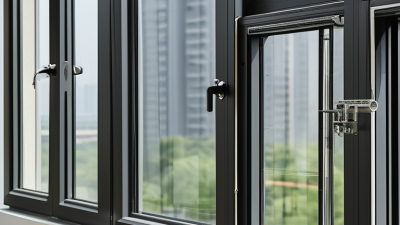
Before purchasing, buyers should evaluate more than appearance and unit price. A double hung window should open smoothly from both sashes, even after repeated use. Check frame dimensions, glass thickness, screen fit, locking strength, and drainage design. Small gaps can create serious installation problems.
Request test reports for air leakage, water resistance, wind pressure, and thermal performance. Confirm that testing matches the destination market’s building requirements. Local climate matters too. Coastal projects may need corrosion-resistant hardware, while cold regions require better insulation and weather seals. Ask for material specifications, coating details, and production tolerances in writing.
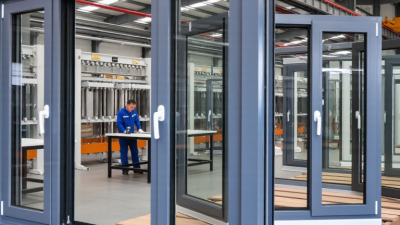
Supplier capability deserves close inspection. Review factory records, sample consistency, quality checkpoints, packaging methods, and replacement procedures. A low quotation may exclude tooling, inland transport, duties, or damage claims. Clarify lead times and inspection rights before placing a deposit. Do not rely on photographs alone. Inspect a working sample.
No evaluation is flawless. A spreadsheet can still hide weak communication or unstable production. Buyers should compare actual samples with approved drawings and record every change. It is also wise to test several units from one batch, not just the best-looking sample. That extra effort feels slow, but it can prevent costly rework after arrival.