Top 10 Benefits of Thermal Windows for Energy Efficiency and Comfort?
Thermal windows are essential for energy efficiency in modern buildings. According to the U.S. Department of Energy, they can reduce energy costs by up to 30%. This significant saving makes thermal windows an attractive option for homeowners and businesses alike. When properly installed, these windows also enhance indoor comfort by minimizing drafts and heat loss.
Industry expert Dr. Emily Harper emphasizes the importance of thermal windows: "Investing in quality thermal windows can lead to long-term savings and a more comfortable living environment." This statement highlights their crucial role in any energy-efficient strategy.
However, it’s important to consider that not all thermal windows are created equal. Some products may underperform despite their claims. Homeowners should conduct thorough research, focusing on energy ratings and installation quality. Selecting the right thermal windows could be a pivotal decision for enhancing comfort and reducing energy expenses.
Definition and Functionality of Thermal Windows
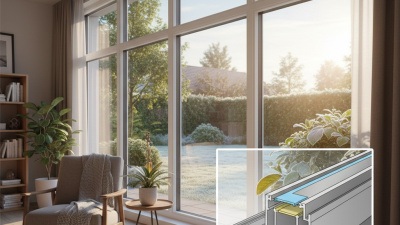
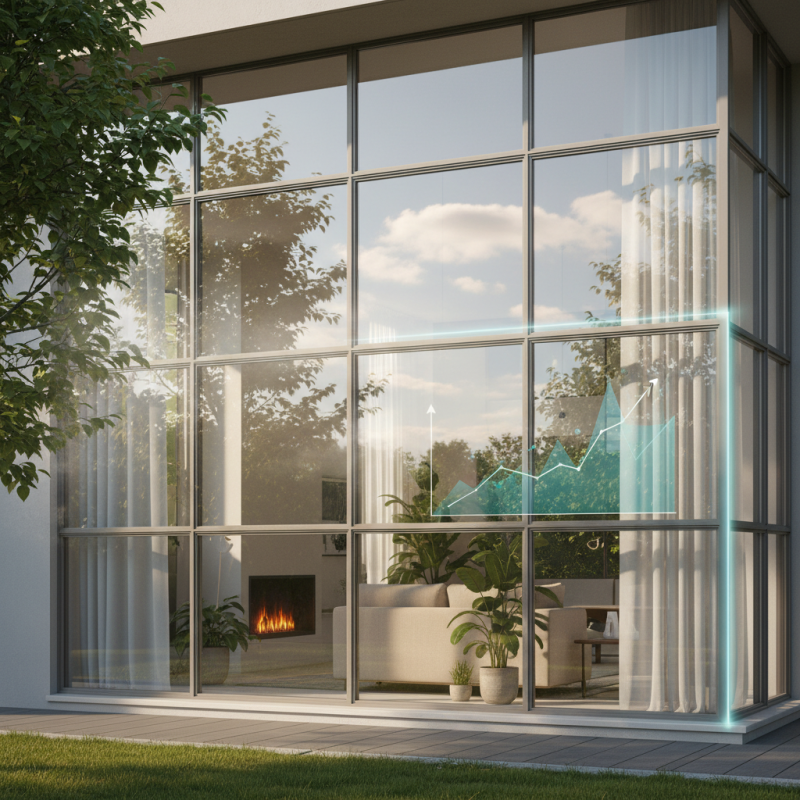
Thermal windows are designed to enhance energy efficiency in homes. They typically feature multiple panes of glass, separated by insulating materials. This structure reduces heat transfer and maintains a comfortable indoor environment. The air or gas between the panes acts as an effective barrier against temperature changes.
These windows also help reduce noise from outside. Living in a busy area can be noisy, and thermal windows can create a quieter indoor space. Additionally, they can help lower energy bills over time. With better insulation, less energy is needed for heating and cooling. However, not all thermal windows are created equal. Some may not perform as expected, leading homeowners to reevaluate their choices.
Proper installation is crucial. Even the best windows can't perform well if installed incorrectly. Regular maintenance is also important for long-term efficiency. Homeowners might overlook this aspect, but cleaning and checking seals can prevent issues. Investing in high-quality thermal windows is worthwhile for comfort and savings. Balancing immediate costs with future benefits can be challenging.
Key Advantages of Thermal Windows for Energy Efficiency
Thermal windows bring many benefits for energy efficiency. They help to keep your home comfortable year-round. These windows are designed to insulate better than standard options. They minimize heat loss during winter and reduce heat gain during summer. This means less reliance on heating and cooling systems.
One key advantage of thermal windows is their ability to lower energy bills. With reduced energy consumption, you save money. Additionally, they help maintain a more consistent indoor temperature. This leads to improved comfort for all occupants. You may notice a significant difference in areas that previously felt drafty.
Tips: Consider double or triple glazing for even better insulation. Regular maintenance can help prolong the life of your windows. Seal any gaps around frames to enhance efficiency further. However, it's important to choose installation services carefully. Poor installation can negate the benefits of thermal windows.
Thermal windows also reduce outside noise. This can be especially valuable in busy urban areas. While there are many advantages, they come with a higher upfront cost. Weighing long-term savings against initial investments is essential. Each home is unique, and the perfect choice may vary.
Top 10 Benefits of Thermal Windows for Energy Efficiency and Comfort
| Benefit |
Description |
Energy Savings |
Comfort Level |
| Improved Insulation |
Thermal windows provide superior insulation, reducing heat transfer. |
Up to 30% reduction in heating/cooling costs |
Increased thermal comfort indoors |
| Noise Reduction |
These windows significantly decrease outside noise levels. |
N/A |
Quieter living environment |
| UV Protection |
Blocks harmful UV rays that can fade furniture and flooring. |
N/A |
Preserved interior decor |
| Increased Home Value |
Adding thermal windows can raise property value. |
N/A |
Desirable feature for home buyers |
| Condensation Control |
Reduces condensation build-up on window surfaces. |
N/A |
Improved air quality |
| Low-E Coatings |
Low emissivity coatings enhance efficiency by reflecting heat. |
Up to 20% more energy efficiency |
Balanced indoor temperature |
| Durability |
Designed to last longer and withstand the elements. |
N/A |
Longer lifespan of windows |
| Aesthetic Appeal |
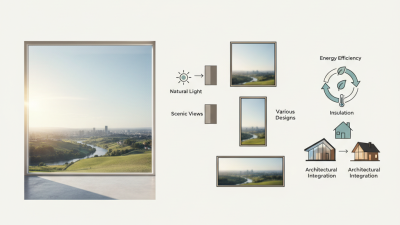
Available in various styles to enhance home aesthetics. |
N/A |
Visual enhancement of property |
| Energy Rebates |
Many jurisdictions offer rebates for energy-efficient upgrades. |
Varies by location |
Financial incentives |
| Environmental Impact |
Helps reduce overall carbon footprint of the home. |
Lower energy consumption |
Sustainability |
Impact on Indoor Comfort and Temperature Regulation
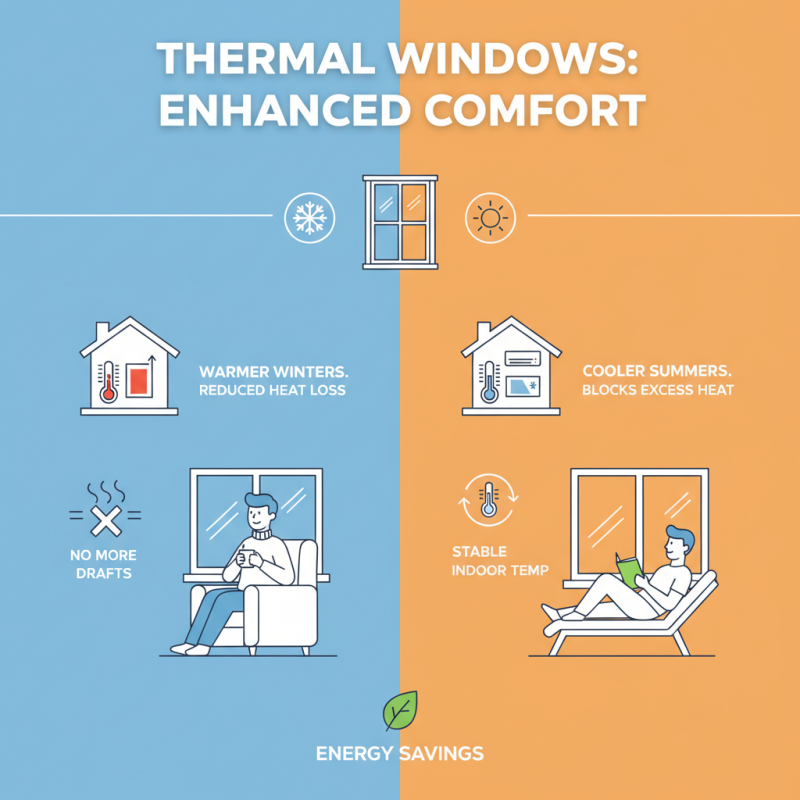
Thermal windows play a significant role in enhancing indoor comfort. They reduce heat transfer, keeping homes warmer in winter and cooler in summer. This ability helps maintain a stable indoor temperature. People enjoy sitting in a room where the temperature feels just right. Using thermal windows can also minimize drafts, which often disrupt comfort.
Another crucial aspect is noise reduction. Thermal windows can block outside sounds, contributing to a quieter indoor environment. Imagine reading a book without the distractions of street noise. This tranquility allows for better focus and relaxation. However, not all thermal windows perform equally. Some might have gaps or poor seals, leading to lost efficiency. Regular maintenance and checks are essential to ensure maximum benefit.
Homeowners often find that their energy bills shrink due to better insulation. But, the effectiveness can vary based on installation quality. Sometimes, people may overlook the importance of proper placement. If thermal windows aren’t strategically installed, the expected comfort may not materialize. It’s vital to research, evaluate options, and reflect on choices before committing.
Long-Term Cost Savings and Return on Investment
Thermal windows significantly contribute to long-term cost savings. According to the U.S. Department of Energy, they can reduce energy bills by up to 30%. This reduction is vital in today's economy, where every penny counts. Although the initial investment may seem high, the energy efficiency of thermal windows pays off over time.
Many homeowners do not realize the potential savings. Some studies suggest that replacing single-pane windows with thermal variants can lead to savings of around $500 annually. This number can increase based on fuel prices and climate. It’s interesting to note that the return on investment for thermal windows averages between 70% to 80% within 7 years.
However, these windows are not without challenges. Proper installation is crucial; otherwise, they might not deliver the expected efficiency. Drafts or gaps can undermine their potential benefits. Homeowners need to consider long-term maintenance and possible issues with window seals. Balancing upfront costs with future savings is not straightforward and requires careful planning.
Top 10 Benefits of Thermal Windows for Energy Efficiency and Comfort
Environmental Benefits Contributed by Thermal Windows
Thermal windows offer numerous environmental benefits that are hard to overlook. These windows minimize energy loss, reducing the demand for heating and cooling. By maintaining indoor temperatures, they lower the reliance on HVAC systems. This decrease in energy consumption results in fewer greenhouse gas emissions. Every little bit helps in fighting climate change.
Using thermal windows can also lead to less air pollution. Utility plants, which generate electricity, often burn fossil fuels. If homes use less energy, power plants produce less waste. This means cleaner air for everyone. Additionally, thermal windows help to conserve natural resources by reducing energy needs. It’s a step toward sustainability that can be implemented with relatively low effort.
However, there are challenges. Not all thermal windows are created equal. Some may underperform if not installed correctly. This underlines the importance of proper installation and maintenance. Homeowners might need to weigh benefits against costs. With careful consideration, the right choice can yield significant environmental returns. It’s essential to reflect on these factors when choosing options for home improvement.