How to Choose Sliding Glass Doors for Your Home?
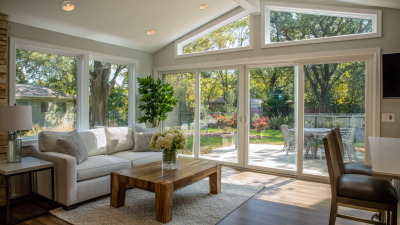
When considering home improvements, sliding glass doors can make a significant impact. They connect indoor and outdoor spaces, enhancing natural light and views. According to a recent report by the National Association of Realtors, incorporating sliding glass doors can increase a home's value by up to 10%. This statistic showcases their financial benefits, extending beyond aesthetics.
Choosing the right sliding glass doors involves understanding various materials and designs. Options include aluminum, vinyl, and wood. Each material has its pros and cons, impacting insulation and durability. A study from the American Institute of Architects indicates that homeowners should consider energy efficiency when selecting doors, as 30% of energy loss occurs through faulty door seals.
It’s crucial to balance aesthetics and functionality. Homeowners often overlook security features when prioritizing design. Additionally, the installation process can present challenges. It is advisable to consult professionals to ensure proper fitting. Selecting the ideal sliding glass doors requires careful consideration, emphasizing the need for expertise in this area.
Types of Sliding Glass Doors and Their Features
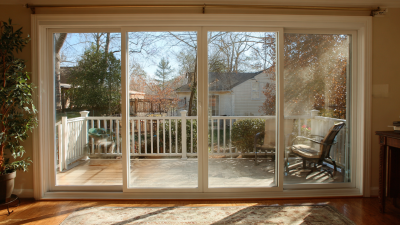
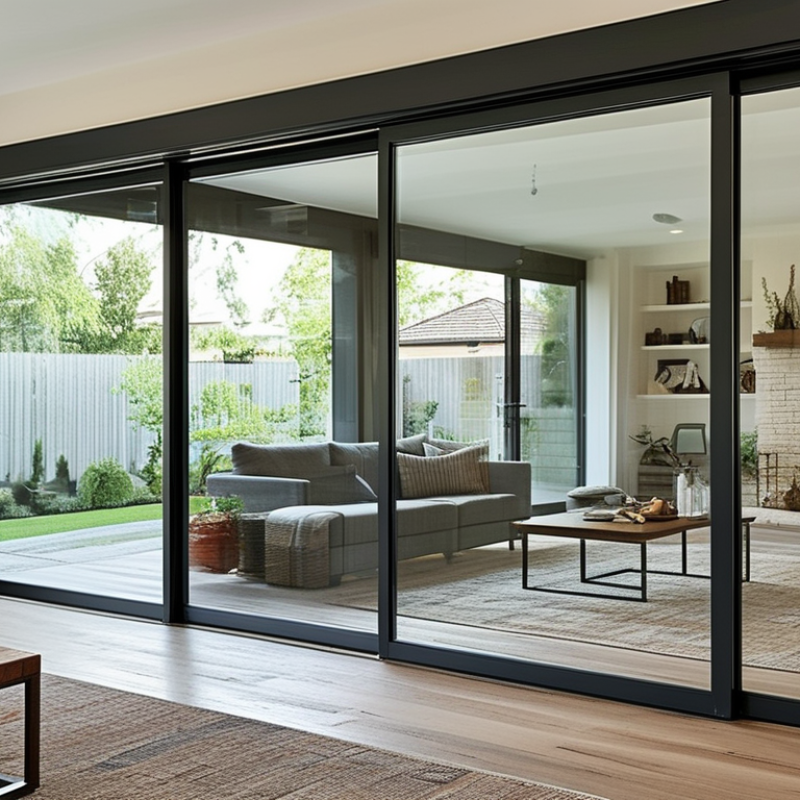
When selecting sliding glass doors for your home, understanding the types available is crucial. The most common types include traditional sliding doors, French sliding doors, and multi-slide doors. Traditional sliding doors feature one fixed panel and one that slides. They are popular for their simplicity and space-saving design. French sliding doors, on the other hand, open like traditional French doors but glide. They add a stylish touch and enhance the entryway.
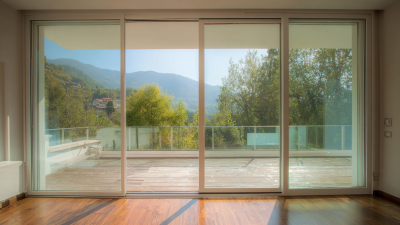
Multi-slide doors stand out for large openings. They can move on tracks, allowing for expansive views and seamless transitions between indoor and outdoor spaces. According to the American Institute of Architects, around 38% of homeowners prefer sliding glass doors for increased natural light and energy efficiency. These doors can also enhance property value by connecting living areas with outdoor patios or gardens.
In choosing the right sliding glass doors, consider energy efficiency ratings. Look for doors with a U-factor below 0.30 and a Solar Heat Gain Coefficient (SHGC) value that suits your climate. Reflective glazing options can help reduce heat gain.
While sliding glass doors offer numerous benefits, they can also present challenges. Regular maintenance is essential to ensure smooth operation. Also, ensure tracks are clear of dirt and debris to prevent issues. Reflect on the placement and function of the doors in your space to optimize their design and utility.
Factors to Consider for Energy Efficiency in Sliding Doors
When selecting sliding glass doors, energy efficiency is a critical consideration. These doors can significantly influence your home’s energy consumption. According to the U.S. Department of Energy, replacing old sliding doors can lead to energy savings of up to 30%. Well-insulated doors minimize heat loss in winter and keep homes cool in summer.
Choosing the right glass is key. Double or triple glazing greatly improves insulation. Low-E (low emissivity) coatings can reflect heat back indoors while still allowing light in. This feature can enhance energy performance by 30%-50%. It’s vital to examine the door's U-value and solar heat gain coefficient (SHGC). A lower U-value indicates better insulation, while an appropriate SHGC level can help control energy costs related to heating and cooling.
Consider frames as well. Materials like vinyl and fiberglass have better insulating properties than aluminum. They resist condensation and keep interiors comfortable. A well-fitted door prevents drafts, further enhancing efficiency. Some homeowners may overlook the importance of proper installation. Misalignment can lead to air leaks, compromising energy savings. Addressing these details ensures you get the best performance from your sliding glass doors.
Choosing the Right Material for Sliding Glass Doors
When choosing sliding glass doors, the material plays a critical role in both aesthetics and functionality. The market offers several options, such as vinyl, aluminum, wood, and fiberglass. Each material has its strengths and weaknesses. For instance, vinyl sliding doors are praised for their energy efficiency and low maintenance, but they might lack the elegance of wood.
Aluminum offers durability and a sleek look, but it can conduct heat, affecting energy costs. A report from the American Architectural Manufacturers Association reveals that 70% of homeowners prioritize energy efficiency when selecting doors. Thus, understanding thermal performance is essential. Wood gives a warm, classic appearance but often requires regular upkeep. Despite its charm, it is prone to warping and can be less durable in wet climates.
Fiberglass is an emerging favorite, combining the best attributes of various materials. It resists warping and provides good insulation, making it suitable for diverse climates. However, premium fiberglass options can be expensive. Homeowners must assess their needs carefully. Reflecting on these choices is crucial, as the right material offers both beauty and functionality.
Material Options for Sliding Glass Doors
Design and Aesthetic Options for Your Home
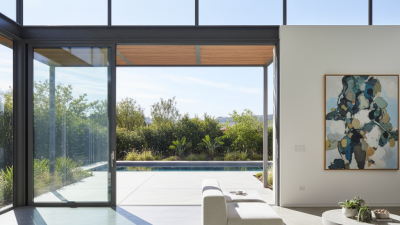
When selecting sliding glass doors, consider the design and aesthetic options carefully. These doors should enhance the overall look of your home while providing functionality. Choose frames that complement your existing architectural style. For modern homes, sleek aluminum frames offer a minimalist feel. For more traditional settings, wood frames can add warmth and character.
Colors are equally important. Neutral tones like white or black can pair well with any decor. Adding a splash of color can also make a bold statement. Think about the interior and exterior color schemes of your home. Make sure the doors do not clash, but instead create a harmonious blend.
Glass options should also be considered. Tempered glass provides safety and durability. Frosted glass can add privacy while still allowing light. Think about your needs and preferences. A decision made in haste may not serve your home well in the long run. Reflect on how the doors will impact your living space and lifestyle. Every detail matters in the quest for beauty and function.
Installation and Maintenance Tips for Sliding Glass Doors
When installing sliding glass doors, proper preparation is key. Start by measuring your space accurately. Ensure the door frame fits well within the opening. A door that is too large or too small can lead to gaps. This compromises energy efficiency and security.
Maintenance is vital for long-lasting performance. Clean the tracks regularly to prevent debris build-up. Dirt can hinder the door's movement. Lubricate the rollers occasionally to ensure smooth sliding. Keep an eye on the seals around the frame. Worn seals can lead to drafts and water leaks.
Consider the climate in your area. Extreme temperatures can affect door functioning. Choosing energy-efficient glass can help mitigate these effects. It’s essential to check the functionality of the door regularly. Look for signs of wear or damage. Addressing small issues promptly can prevent costly repairs later.