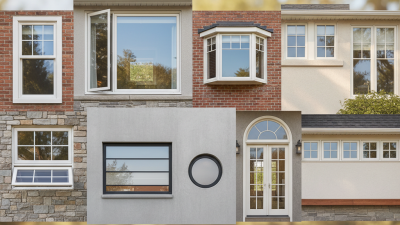
Choosing the right vinyl replacement windows for your home can feel overwhelming. With various styles and features available, making an informed decision is vital. Vinyl replacement windows are popular due to their energy efficiency, durability, and low maintenance. Yet, not all options are created equal.
Consider the climate in your area when selecting vinyl replacement windows. They should provide adequate insulation and weather resistance. In addition, think about the aesthetic appeal of your home. The wrong choice may detract from its overall character. Brands also vary in reputation and warranty offerings. Researching these factors can help you find quality products.
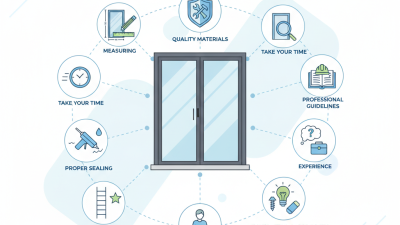
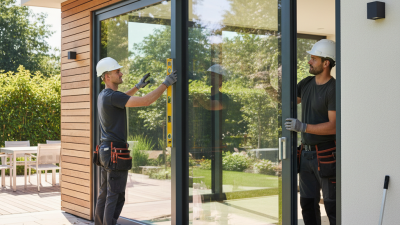
Quality installation is equally important. Even the best windows won't perform well if installed incorrectly. Take time to find a reputable installer. Ask for references and check reviews. This can prevent costly mistakes down the line. Ultimately, choosing the best vinyl replacement windows requires thoughtful consideration of both the products and your home’s unique needs.

Vinyl replacement windows offer numerous benefits that attract homeowners. They provide excellent insulation, greatly reducing energy bills. The durable material is resistant to rot and corrosion, unlike wood windows. This helps maintain their appearance and reduces maintenance needs. Homeowners appreciate that vinyl can mimic the look of traditional materials while requiring less upkeep.
A key advantage lies in their affordability. Vinyl windows often come at a lower price point compared to other materials. However, lower cost doesn't mean lower quality. Many vinyl windows have impressive warranties and can last for decades. It's important to remember that not all vinyl windows are created equal. Some might sag or yellow over time. Homeowners should research and select windows with a solid reputation for durability.
Aesthetic flexibility is another noteworthy benefit. Vinyl windows come in various styles and colors. This allows homeowners to match their windows precisely to their home's design. Still, the wrong choice can look out of place. Take time to consider the architectural style. Choosing a color that clashes can detract from the home's exterior. So, weigh your options carefully before making a decision.
| Feature | Description | Benefits |
|---|---|---|
| Energy Efficiency | Vinyl windows offer multi-pane glass options with inert gas fills. | Reduces energy bills and improves home comfort. |
| Maintenance | Vinyl is resistant to peeling, cracking, and fading. | Low maintenance requirements and long-lasting appearance. |
| Customization Options | Available in various styles, colors, and sizes. | Enhances home aesthetics and fits any architectural style. |
| Cost-Effectiveness | Generally more affordable than wood or fiberglass options. | Budget-friendly choice for homeowners. |
| Noise Reduction | Multi-chamber designs help block outside noise. | Creates a quieter indoor environment. |
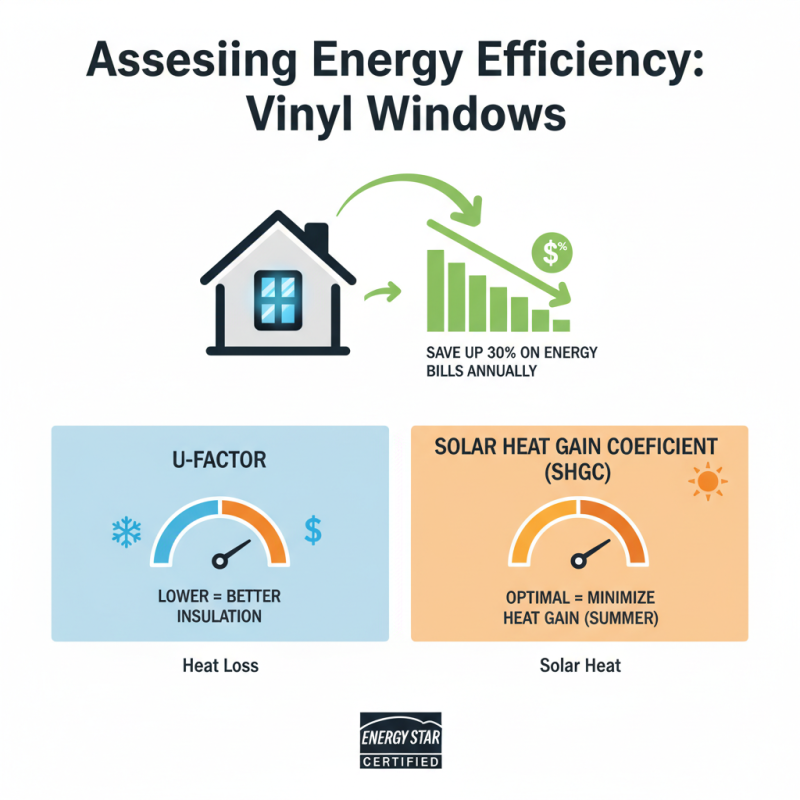
When assessing energy efficiency ratings for vinyl windows, it's essential to understand their impact on monthly utility bills. Energy Star reports that homes can save up to 30% on energy costs annually with high-efficiency windows. The key metrics to consider include U-factor and Solar Heat Gain Coefficient (SHGC). A lower U-factor indicates better insulation, while an optimal SHGC can minimize heat gain in summer.
The National Fenestration Rating Council (NFRC) provides reliable labeling for energy performance. Ratings are standardized, making comparison easier. Homeowners can refer to these labels to identify windows that meet their climate needs. Not all vinyl windows are the same; even small differences in ratings can lead to significant energy loss.
Data from the U.S. Department of Energy highlights that upgrading to energy-efficient windows can result in substantial energy savings over time. However, many overlook the importance of proper installation. A poorly installed window can negate its efficiency. Take time to understand these factors before making a selection. Avoid rushing the decision; it's vital to ensure both short-term and long-term benefits.
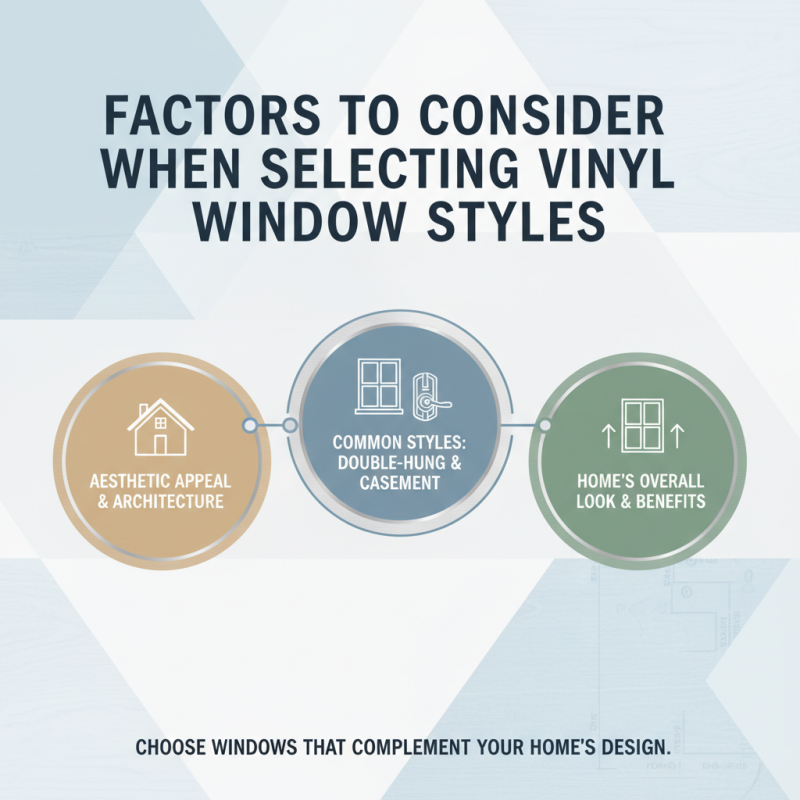
When selecting vinyl window styles for your home, several factors come into play. The aesthetic appeal is crucial. Choose a style that complements your home's architecture. Common styles include double-hung and casement windows. Each offers distinct benefits and can alter your home's overall look.
Energy efficiency is another vital consideration. According to the U.S. Department of Energy, replacing old windows can save homeowners up to 30% on energy bills. Look for windows with high Energy Star ratings. Insulated glass and low-emissivity (Low-E) coatings can significantly enhance energy performance.
Durability and maintenance are essential too. Vinyl windows withstand elements better than many alternatives. They resist corrosion and fading, requiring less upkeep. However, not all vinyl is created equal. Some cheaper options may not hold up over time, necessitating careful evaluation. Consider potential trade-offs between cost and longevity when making your choice. Examine warranties closely to ensure trustworthy protection.
When choosing vinyl replacement windows, it's essential to compare costs and performance. Not all vinyl windows are the same. Many brands claim high energy efficiency, but the reality can differ. Consider insulation properties and durability. Reviews and customer feedback can provide insights into real-world performance.
In terms of costs, prices can fluctuate widely based on features. Double or triple glazing options can increase the price but often enhance energy savings. You might find an affordable window option that doesn’t perform well over time. On the other hand, higher-end brands may offer specific benefits, but price alone shouldn't be your guide.
It's also wise to investigate warranty options. Some brands offer extensive warranties that reflect their confidence in product longevity. This can be a hint of quality but isn't always a guarantee. Collect various data points, including installation and maintenance costs. Reflect on how these factors will impact your long-term investment.
When considering the installation of vinyl replacement windows, several key factors come into play. Proper installation is crucial for maximizing the efficiency and lifespan of your windows. According to the Department of Energy, nearly 30% of a home's energy is lost through windows. Therefore, ensuring an airtight installation can reduce energy costs significantly.
Hiring a qualified professional can decrease the risk of errors. Studies show that improper installation often leads to air leaks and water infiltration. These issues can result in costly repairs and decreased window performance. Always check for certifications and experience when choosing your installer.
Consideration of local building codes and climate is also important. Vinyl windows perform well in various weather conditions but need to be properly fitted. The National Association of Home Builders notes that poorly installed windows can lead to up to 25% of heating energy loss. Taking the time to assess your installation environment can prevent regrettable mistakes and enhance your home's energy efficiency.