China’s sliding patio doors industry combines large-scale production with increasingly refined thermal and security engineering. China’s National Bureau of Statistics reported continued strength in manufactured building materials and construction-related output in recent years. However, production volume alone does not prove manufacturing excellence. Buyers must examine tested performance, installation practice, and after-sales support.
Market research offers useful context. Grand View Research identifies energy efficiency, renovation activity, and modern residential design as important growth drivers in the global doors market. Mordor Intelligence also highlights demand for durable framing systems, improved glazing, and low-maintenance materials. These trends explain why Chinese manufacturers increasingly offer thermally broken aluminum frames, multi-point locks, insulated glass, and customized opening sizes. Small details matter. A poorly aligned roller can spoil an otherwise impressive door.
This guide reviews ten notable Chinese manufacturers of sliding patio doors, using practical selection criteria. These include factory capability, export experience, product certifications, profile quality, glass options, customization, lead times, and warranty clarity. Public information is not always consistent. Some companies publish extensive test data, while others provide attractive photographs but limited technical evidence. That difference deserves attention.
The ranking should therefore be treated as a structured industry review, not an absolute verdict. Product suitability depends on climate, building design, installation quality, and local code requirements. A coastal project may need stronger corrosion resistance. A cold region may require better U-value performance. Asking precise questions remains essential. Reliable suppliers welcome that scrutiny.
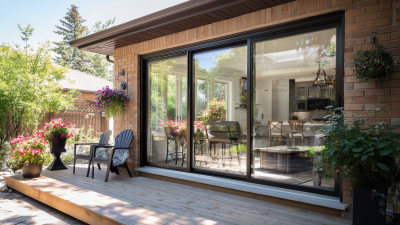
Sliding patio doors are large glass doors that move horizontally along a track. Unlike hinged doors, they do not swing into a room or outdoor area. This design saves floor space and creates a wide visual connection between a living room, balcony, garden, or terrace.
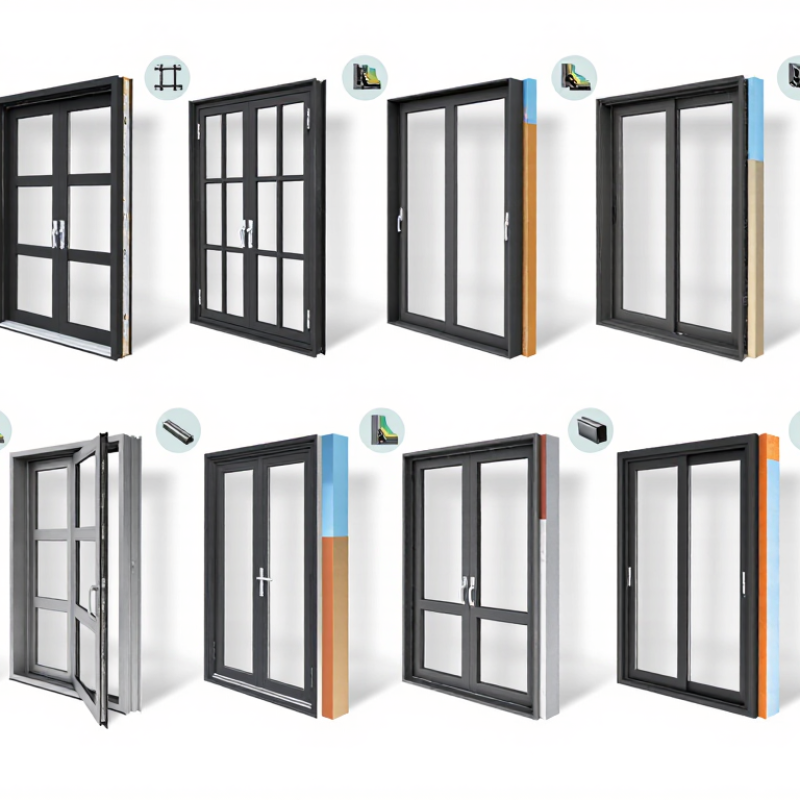
A typical system includes fixed glass panels, sliding panels, rollers, frames, locks, and weather seals. The rollers carry the panel’s weight, so their quality strongly affects daily use. During a site inspection, I would check the opening width, floor level, drainage, and surrounding wall strength. A small installation error can cause rubbing, noise, or water leakage after heavy rain. Clean, level tracks matter.
Good glass selection also affects comfort. Double glazing can reduce heat transfer and outside noise, while low-emissivity glass may improve energy performance. However, glass alone cannot solve every problem. Poor sealing, weak hardware, or incorrect installation may reduce the door’s reliability. I once underestimated how quickly dust collected in a low track. It reminded me that maintenance should be considered before purchase.
Security depends on the frame, locking points, glass specification, and installation quality. For homes in windy or coastal areas, corrosion resistance and structural testing deserve close attention. Buyers comparing manufacturers should request test reports, warranty terms, replacement hardware details, and clear installation instructions. Product photographs look attractive, but practical evidence matters more.
China Top 10 Sliding Patio Door Manufacturers?
How China’s Leading Manufacturers Are Evaluated
Selecting China’s top sliding patio door manufacturers requires more than comparing catalog photos. The 2024 Mordor Intelligence fenestration market analysis identifies energy efficiency, renovation demand, and durable materials as major purchasing drivers. Therefore, evaluators should check thermal performance, air leakage, water resistance, and operating-cycle results. A smooth showroom sample proves little.
Factory evidence matters. Auditors should review extrusion equipment, powder-coating controls, glass-processing capacity, and documented quality procedures. ISO 9001 certification can support process reliability, but it cannot replace independent product testing. Test reports should show clear standards, sample sizes, and dates. Vague certificates deserve questions.
Energy performance also needs local context. The International Energy Agency reports that buildings consume roughly 30% of global final energy, making glazing and frame design important in efficient construction. Strong manufacturers provide U-values, solar heat-gain data, and acoustic results for complete door assemblies. Hardware details count. A reinforced track, sealed roller, and replaceable gasket can affect daily performance more than a decorative finish.
Commercial reliability is harder to measure. Buyers should compare lead times, packaging records, spare-part access, warranty terms, and responses to installation problems. Factory visits help, though one visit may show an unusually prepared day. That limitation should remain visible. A credible ranking combines laboratory evidence, production experience, customer references, and transparent answers—not marketing language alone.
This editorial evaluation framework focuses on the practical criteria used when comparing sliding patio door manufacturers. The percentages represent the suggested importance of each criterion in a comprehensive assessment, not individual company rankings.
China’s Top 10 Sliding Patio Door Manufacturers are often compared through product quality, engineering experience, and production reliability. Strong manufacturers usually offer aluminum, uPVC, or thermally broken systems for different climates. Their doors should slide smoothly, seal tightly, and resist repeated daily use.
A professional evaluation should examine frame thickness, glass options, drainage design, hardware strength, and surface treatment. Factory audits can reveal more than attractive catalog photos. Ask for test reports, production samples, installation guides, and warranty terms. I have found that small details matter, such as adjustable rollers and clean corner joints. Yet appearance alone can mislead buyers. A polished sample does not always prove stable long-term performance.
Tips: Compare at least three quotations. Confirm opening sizes in writing. Check whether replacement rollers are available. Request a sample before placing a large order. Also inspect packaging, because damaged corners create expensive delays. Energy performance deserves attention, especially for homes facing strong sunlight or cold winters. Some suppliers provide impressive specifications but explain them poorly. That is a warning sign, though not definite proof of poor quality. A reliable manufacturer answers technical questions clearly and accepts reasonable inspection procedures.
Material choice separates a reliable sliding patio door from a costly replacement. Aluminum offers slim frames and strong wind resistance, but it transfers heat quickly without thermal breaks. uPVC improves insulation and needs little maintenance. Timber feels warmer, yet it demands regular sealing in humid climates.
The U.S. Department of Energy reports that windows can cause 25% to 30% of residential heating and cooling energy use.
That figure makes frame design more important than showroom appearance.
Glass configuration also changes comfort. Double glazing is common, while triple glazing suits colder regions and noisy streets. Low-emissivity coatings reduce heat transfer, but the correct coating depends on orientation and climate.
NFRC certification evaluates whole-unit performance, including the frame, glass, and spacer. Ask for U-factor, solar heat gain coefficient, air leakage, and visible transmittance values.
Bigger glass is attractive. It is not automatically better.
Customization usually covers opening size, track layout, screens, locks, colors, and threshold height. A low threshold helps wheelchair access, but poor drainage can invite water indoors. Powder-coated aluminum may provide consistent color, although dark finishes can become very hot in direct sun.
Factory drawings should show drainage paths and hardware positions. In practice, mistakes often begin with rough measurements.
Measure the structural opening twice, then verify wall thickness and floor level. I would still inspect a sample corner before approving a large order. Photos rarely reveal weak rollers or uneven seals.
Choosing among China’s top sliding patio door manufacturers requires more than comparing catalog prices. Check how each factory builds, tests, and supports its products. A reliable manufacturer should provide clear specifications for frame alloys, glass thickness, thermal breaks, rollers, locks, and drainage channels. Ask for recent test reports covering air leakage, water resistance, wind pressure, and operating cycles. Documents matter, but verified production matters more.
Request a physical sample before approving a large order. Slide the panel several times. Listen for grinding, inspect corner joints, and pour water over the sill to observe drainage. Review the factory’s quality-control records and confirm whether inspections occur during assembly, not only before shipment. Factory videos can help, but an independent audit offers stronger evidence. It may cost more at the beginning.
Communication is another practical test. Can the manufacturer explain installation tolerances, packaging protection, replacement parts, and warranty limits in precise English? Confirm lead times, customization fees, minimum order quantities, and responsibility for damaged goods. A low quote can hide weak hardware or expensive revisions.
I once underestimated the effect of coastal humidity; standard rollers corroded faster than expected. That mistake changed my checklist.
Consider local climate, building exposure, opening size, and installer skill before choosing. No factory is perfect, so evaluate how openly it handles defects, corrective action, and uncomfortable questions.