
China’s window market includes national manufacturers, regional fabricators, and specialist window installers serving very different project needs. Yet “best” depends on the building, budget, climate, and level of service required. A supplier suited to a coastal apartment may not fit a renovation in a colder inland city. Strong candidates should explain their materials, glass options, hardware, and installation process in clear terms. Look beyond attractive showroom displays. Ask whether measurements are taken on site, who handles installation, and how service issues are managed after delivery. Confirm written specifications, lead times, and warranty coverage before comparing quotations. Details matter.
For homes near busy roads, ask about glass configurations and realistic noise-control expectations. In humid or typhoon-prone areas, drainage, sealing, and wind-resistance specifications deserve close attention. This guide compares window installers through practical signals: product range, documented experience, project support, quality controls, and verifiable customer feedback. Where available, independent test reports and completed-project references can help distinguish evidence from sales language. A polished brochure is not proof of consistent workmanship. Still, public information may be incomplete, and online reviews can reflect only a narrow set of experiences. That makes any ranking a starting point, not a guarantee. Some claims need checking. Readers should match each company’s capabilities to their own site conditions and request specific answers before signing. The aim is a useful shortlist, with enough context to judge fit rather than simply follow a bold “best” label.
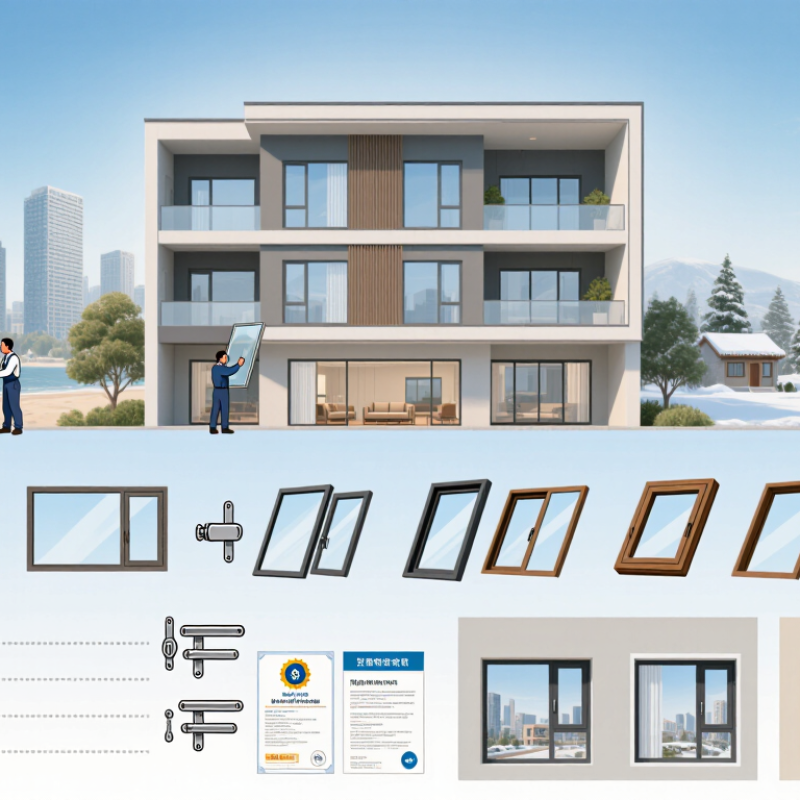
Window installers do more than fit frames. They measure each opening, check wall conditions, remove old units, and seal the new frame against rain and drafts. Good work depends on accurate surveying, safe handling, and careful adjustment of hinges and locks. A gap of a few millimeters can cause rattling or water entry. Small details matter. Installers may also explain ventilation, cleaning, and basic maintenance, though their scope varies by contract. Before work begins, confirm who handles disposal, interior finishing, and follow-up repairs.
China’s window-installation market is not one uniform system. Large projects often involve manufacturers, regional distributors, construction contractors, and specialist installation crews. In residential renovations, customers may work with a local shop that measures, supplies, and installs windows through its own team or subcontractors. This structure can be convenient, but responsibility may become unclear when a leak appears. Ask for written measurements, product specifications, installation steps, and a named after-sales contact. Practices differ between cities and projects. A tidy showroom does not prove careful site work, and online ratings rarely tell the whole story. When practical, inspect a completed installation in person.
A reliable window installer is judged by more than price or a polished showroom. Ask how the team measures each opening, checks wall conditions, and accounts for local weather. In humid coastal areas, drainage and corrosion-resistant fittings deserve attention. In colder regions, ask about glass performance and airtight seals. Specific answers matter.
Compare written quotations line by line. They should identify window materials, glass type, hardware, installation steps, cleanup, and warranty coverage. Ask who supervises the work and whether the installation crew is trained. Check recent projects with similar buildings, then look closely at frame alignment, sealant edges, and how windows open and lock. Confirm that proposed products and methods meet applicable local requirements. A low quote may omit essential work. Still, a neat sample display cannot guarantee careful installation on site.
Tips: Keep a record of measurements and agreed specifications. Before final payment, inspect several windows after installation. Open and close each one. Look for uneven gaps, loose handles, or water collecting near the frame. Take photos of any issues and request a written repair plan. Even careful checks can miss something; follow-up service matters.
Use this weighted checklist to compare installers for a specific project. The weights are a suggested evaluation framework, not independently verified ratings or rankings of companies.
| Evaluation Criterion | Suggested Weight | What to Check | Useful Evidence |
|---|---|---|---|
| Installation experience and project fit | 15% | Relevant experience with the window type, building conditions, project size, and installation method required. | Comparable completed projects, client references, and a clear description of the installer’s role. |
| Installation quality and workmanship | 20% | Whether the installation plan addresses accurate measurement, secure fixing, alignment, sealing, drainage, and finishing. | Written installation procedures, site inspection records, and documented checks before handover. |
| Thermal and weather-sealing performance | 15% | How the proposed installation accounts for air leakage, water penetration, thermal bridging, and the project’s climate and building requirements. | Product performance documentation, compatible installation details, and project-specific sealing specifications. |
| Qualified workforce and site supervision | 10% | Installer training, relevant qualifications where required, supervision arrangements, and safe work practices. | Training or qualification records, named site supervisor, and documented health and safety procedures. |
| Compliance and documentation | 10% | Ability to meet applicable local building, fire, safety, and project specifications, which can vary by location and building type. | Project submittals, product certificates where applicable, installation records, and inspection or acceptance documents. |
| Warranty and after-sales service | 10% | Clarity of installation and product warranty terms, exclusions, response process, and responsibility for resolving defects. | Written warranty, service contact details, and a documented procedure for handling complaints or repairs. |
| Quotation transparency and contract terms | 10% | Whether the quotation clearly defines scope, materials, labor, exclusions, schedule, payment milestones, and variation handling. | Itemized quotation and a contract that identifies responsibilities, acceptance criteria, and change-order procedures. |
| Schedule and coordination | 5% | Realistic lead times, installation sequencing, coordination with other trades, and a plan for delays or site changes. | Project schedule, site coordination plan, and named point of contact. |
| References and verifiable track record | 5% | Consistency of past performance and whether references relate to comparable work and can be independently checked. | Contactable client references, dated project records, and permission to inspect relevant completed work where feasible. |
| Total suggested weighting | 100% | Score each installer against the same criteria and request comparable supporting evidence. | |
A higher score under this framework indicates a stronger match to the stated evaluation criteria; it does not guarantee project performance. Verify company credentials, references, contract terms, and applicable local requirements before appointment.
Window installers in China vary by project scale and technical scope. Residential retrofit crews often replace individual units in occupied homes. They must protect floors, manage dust, and check rough openings before ordering. New-build subcontractors work from drawings and coordinate with masonry, waterproofing, and interior teams. Their pace can be fast, but rushed checks sometimes leave gaps around frames.
Commercial projects need different expertise. Facade contractors handle curtain walls, large glazed openings, and multi-storey installation sequences. Specialist glazing teams may set heavy units, verify anchors, and perform water or air tests. For complex buildings, ask how installers document fixing points, sealant conditions, and drainage paths. Small details matter. A blocked sill channel can send rainwater indoors.
The International Energy Agency’s 2022 buildings-sector analysis estimates that building operations account for about 30% of global final energy use and 26% of energy-related emissions. That makes airtight installation and suitable glazing more than cosmetic choices. Ask for project references matching your building type, written installation procedures, and inspection records. A showroom sample is not proof of site quality. Even good teams can miss things; independent checks are useful, though they add time and cost.
Typical installer types serving residential and commercial projects
Scores are qualitative guidance on typical project fit, not measured market statistics or a ranking of individual installers. Project suitability varies with scope, building requirements, and local qualifications.
Comparing leading window installers across China starts with the building, not a sales ranking. A coastal apartment in Fujian faces different moisture and wind exposure than a home in northern China with freezing winters. Ask each installer how they assess local conditions, wall construction, drainage, and insulation before recommending a window system. Specific answers matter. General promises do not.
Request a written quote that separates product cost, removal, installation, sealing, and after-sales service. Check recent projects in similar buildings, and ask whether you can speak with a previous customer. During a site visit, look for careful measurements, protected floors, and clear explanations of how the frame will be fixed and sealed. Small details count. Ask what the warranty covers and who handles adjustments if a sash sticks after installation. Compare the same specifications, not just the final price. A cheaper quote may omit important work, though a higher one is not proof of better workmanship. I would still want more than polished photos. Real inspection can be inconvenient, and I might overlook something, but written scope and local references make comparisons less guess-driven. For multi-city projects, confirm that installation standards and service response remain consistent at each location.
Choosing a window installer in China requires checking more than price and product brochures. Confirm the company’s business registration and relevant project qualifications, then verify documents through official channels. Ask who will perform the work, including whether crews are subcontracted. Request references for recent local projects and, where possible, inspect a completed installation. A polished showroom can mislead.
The U.S. Department of Energy’s Energy Saver guidance estimates that heat gain and loss through windows account for 25%–30% of residential heating and cooling energy use. This figure is not China-specific, but it highlights why installation matters. A window’s product rating cannot confirm how well it was fitted. Get warranty terms in writing, including coverage for products, labor, water leakage, and sealant, plus the process for making a claim.
Before final payment, check that each sash opens smoothly and locks securely. Look for even gaps, level frames, continuous interior seals, and clear exterior drainage paths. Ask the installer to document concealed flashing before trim covers it. Details matter. I would not judge workmanship from one attractive sample; inspect a finished project, ideally after rainfall, and note any sticking hardware or damp corners.