Why Is Sliding Door Replacement So Expensive?

Sliding door replacement often looks simple from the street. Remove the old panel, install a new one, and finish the trim. In practice, the project can expose hidden problems behind the frame. Rotten sill plates, uneven floors, damaged flashing, and poorly insulated wall openings may all require attention. A standard replacement door may cost a few hundred dollars, while a larger system with tempered, low-emissivity glass can cost several thousand. Labor adds more. So does disposal.

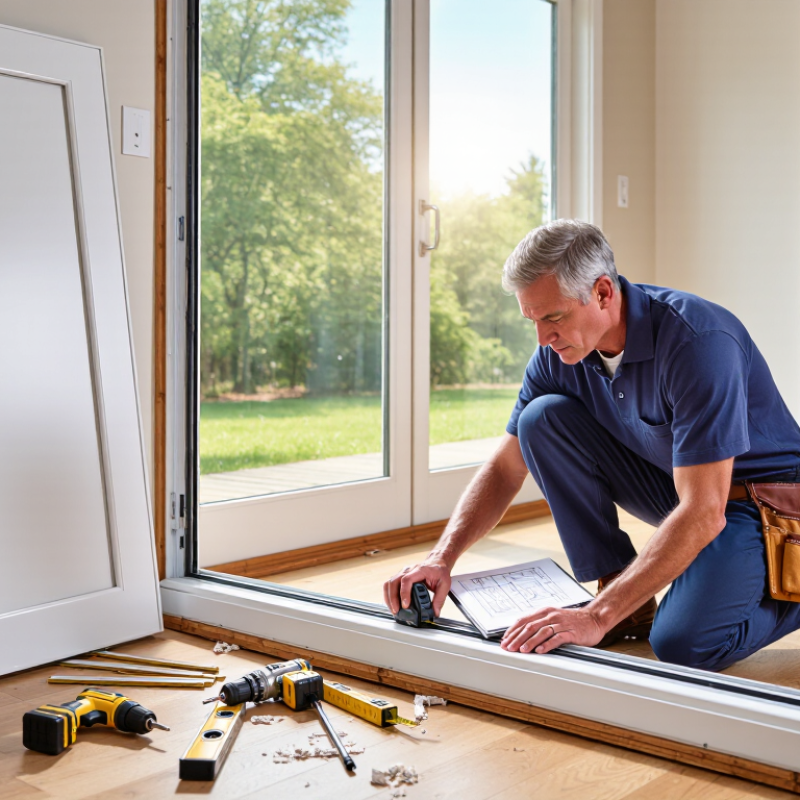
Tom Silva, a veteran contractor known for This Old House, has said, “A door is only as good as the opening it fits into.” That principle explains much of the confusion around sliding door replacement pricing. Installers must measure the opening carefully, check the wall for moisture, and confirm that the track can support smooth movement. A tight fit matters. Small errors can cause drafts, water leaks, or rollers that fail early.

The quote may also include custom glass, upgraded locks, new trim, structural repairs, and local labor rates. Those details are easy to overlook when comparing online prices. Still, not every expensive proposal is reasonable. Ask for an itemized estimate, photographs of damaged areas, product specifications, and warranty terms. Get a second opinion when the explanation feels vague.

I have seen homeowners focus on the door alone. That can be a costly mistake. The surrounding opening often determines the final price. It is worth questioning every line, including the parts that seem minor.
Why Is Sliding Door Replacement So Expensive?

What Makes Sliding Door Replacement More Expensive Than Expected

Why Is Sliding Door Replacement So Expensive?

Sliding door replacement often costs more than homeowners expect because the visible door is only part of the project. An installer may discover water damage, soft framing, or an uneven opening after removing the old unit. Those repairs can add hours of labor and new materials. Custom sizes also increase prices, especially when the opening is unusually wide or tall. Standard doors are cheaper, but they may not fit safely.

Glass type affects the estimate too. Energy-efficient glass, stronger safety glass, and improved weather seals usually cost more. So does changing the frame, threshold, lock, or exterior trim. A careful installer should inspect the wall, measure several points, and explain each charge. A rushed measurement can create expensive delays. I have seen homeowners focus only on the door price and overlook disposal, interior repairs, and finishing work. That assumption is understandable, but incomplete.

Tips: Request an itemized estimate. Ask whether the price includes removal, disposal, structural repairs, flashing, trim, and cleanup. Take photos of stains or drafts before the inspection. Compare written quotes, not just total prices. Ask how the installer handles unexpected damage. A low quote may become costly when important work is excluded. Also, avoid choosing the cheapest option automatically. Poor alignment can cause rattling, air leaks, and difficult operation. A second opinion may feel unnecessary, yet it can expose missing details before work begins.

Why Is Sliding Door Replacement So Expensive? - What Makes Sliding Door Replacement More Expensive Than Expected

Cost Dimension Typical U.S. Cost Range Approximate Share of Project What Makes the Cost Higher
Replacement door unit $600–$2,500 35%–60% Larger panels, improved insulation, laminated glass, stronger frames, and custom sizes increase the purchase price.
Professional installation $300–$1,200 20%–35% Labor costs rise when the opening is difficult to access, the door is oversized, or two or more installers are required.
Removal and disposal of the old door $100–$300 5%–10% Heavy glass panels, restricted access, and local disposal charges can make removal more labor-intensive than expected.
Frame, sill, or threshold repairs $150–$1,000 5%–25% Rot, water damage, corrosion, or a deteriorated subfloor may not be visible until the existing frame is removed.
Structural opening modifications $500–$2,500+ 10%–35% Widening an opening, reinforcing a header, or changing the layout requires additional carpentry and sometimes engineering review.
Weatherproofing and trim work $150–$700 5%–15% New flashing, exterior trim, interior casing, caulking, and water-management details add time and materials.
Permits and inspection fees $50–$400 1%–8% Fees vary by location and may apply when the opening is structurally altered or the project affects exterior walls.
Accessibility and site conditions $100–$800 3%–15% Upper-floor work, narrow hallways, stairs, limited parking, or long material-carry distances can increase labor time.
Typical installed project totals: Approximately $1,200–$2,500 for a basic two-panel replacement, $2,000–$4,500 for a mid-range installation, and $4,000–$8,000 or more for large, custom, structurally modified, or heavily damaged openings. Actual pricing depends on location, measurements, materials, labor conditions, and required repairs.

How Door Materials and Glass Choices Affect the Total Price

Why Is Sliding Door Replacement So Expensive?

A sliding door is priced as a system, not a single piece of glass. The frame, rollers, sill, locking hardware, flashing, and installation all affect the final invoice. Vinyl usually costs less than aluminum or fiberglass, while wood often requires higher labor and maintenance.

The 2024 Cost vs. Value Report places average vinyl window replacement at about $21,264 for a multi-window project. That is not a direct sliding-door quote, but it shows how installation can exceed material costs.

Glass choices create another major price difference. Standard clear, single-pane glass may look affordable, yet it offers weak insulation and little solar control. Double-pane insulated glass uses a sealed airspace and can include a low-emissivity coating.

The U.S. Department of Energy reports that low-e storm-window improvements may reduce annual heating and cooling costs by 12% to 33%, depending on climate and the existing window system. Energy savings are real, but payback is not always quick. I have seen homeowners pay more for advanced glass without checking orientation, shading, or local weather.

Laminated glass improves safety and sound control. Tempered glass is usually required where impact risk exists. Triple-pane glass can improve performance, but its added weight may require stronger rollers and structural support. The National Fenestration Rating Council recommends comparing U-factor and solar heat gain coefficient ratings, not only the advertised price. A low quote may exclude disposal, trim repair, water-damaged framing, or interior finishing. That omission can make a “cheap” replacement surprisingly expensive.

Why Installation Labor and Structural Adjustments Add to Costs

Why Is Sliding Door Replacement So Expensive?

Sliding door replacement often costs more than the door itself because the opening may need careful rebuilding. I once underestimated this work after removing an old frame. Rotten wood, uneven studs, and water damage changed the installation plan. Small surprises become paid labor. They add up.

Installation is not simply lifting a panel into a track. Technicians must measure the opening, level the sill, secure the frame, and test the rollers. A sill only a few millimeters out of level can cause dragging and air leaks. Removing trim without damaging nearby drywall also takes time. If the replacement unit differs in size, carpenters may widen or narrow the opening. That can involve framing, insulation, flashing, and interior repairs. Each task adds labor hours, materials, and coordination. A low estimate may exclude these adjustments.

A trustworthy quote should separate the door, labor, disposal, finishing, and structural work. Ask whether it includes moisture protection and final adjustment. Photos help, but an on-site inspection is more dependable. I have seen homeowners budget for installation, then face extra costs for concealed damage. That risk is difficult to eliminate. It can be reduced by requesting measurements, written assumptions, and approval before work expands. Local building requirements may also affect reinforcement or emergency egress. Qualified installers should verify them before cutting the opening.

A sliding door replacement can cost substantially more than the door unit itself. Installation labor, removal, waterproofing, trim work, and structural adjustments often account for nearly half of a typical U.S. project budget. The figures shown are representative mid-range estimates in U.S. dollars and vary by opening size, wall condition, materials, and local labor rates.

Which Hidden Expenses Can Increase a Replacement Project’s Budget

Why Is Sliding Door Replacement So Expensive?

Which Hidden Expenses Can Increase a Replacement Project’s Budget

A sliding door quote rarely covers the whole opening. The visible unit is only one line item. Labor may include removal, transport, disposal, shimming, sealing, and interior trim. If the old frame has leaked, concealed rot can spread beneath the sill. That repair changes a simple replacement into carpentry and waterproofing work. Small defects matter.

The U.S. Department of Energy reports that windows account for about 25% to 30% of residential heating and cooling energy use. Sliding glass doors are large glazed openings, so poor seals can affect comfort and energy performance. However, this statistic cannot predict your savings. Climate, orientation, glass type, and installation quality matter more than sales claims. The 2024 Cost vs Value Report lists vinyl window replacement at a 67.1% national cost recovery. It offers context, not a sliding-door guarantee.

Permit fees, engineering checks, threshold changes, drywall repair, paint, upgraded locks, screens, blinds, and temporary weather protection can increase the budget. Exterior stucco, brick, or siding may also need matching. Disposal charges vary by region. Ask for separate allowances for each item. A careful installer should document flashing and drainage details. If an estimate says “standard installation,” question it. That phrase can hide expensive work. I would reserve 10% to 20% for unknowns, although older homes may exceed that cushion.

How to Compare Quotes and Control Sliding Door Replacement Costs

Sliding door replacement can become expensive when the quote includes more than the door itself. Labor, frame repairs, glass specifications, disposal, and trim work often appear as separate charges.

A basic-looking opening may hide water damage behind the wall. I once saw a quote rise after a contractor found soft timber beneath the sill. The first estimate was not dishonest, but it was incomplete. That happens.

Compare quotes line by line. Check the door material, glass type, frame size, installation method, warranty, permits, and cleanup costs.

Ask whether the price includes removing the old unit and repairing surrounding drywall or flooring. Request measurements in writing.

A low quote may exclude flashing or insulation, which can create drafts later. A higher quote may include stronger weather sealing, but do not assume quality from price alone. Ask for photos of similar completed work and verify the installer’s experience.

Tips:

Get at least three written quotes. Use the same specifications for each contractor. Ask what could increase the final price. Keep a small contingency fund for hidden damage.

Choose safety glass where required, and confirm energy-performance details before paying a deposit. Avoid large upfront payments. Read every condition carefully, even when the language feels routine.

My own mistake was comparing totals before comparing materials; the cheapest option used thinner framing and offered less coverage.