What Is the Best Type of Replacement Home Windows?
Choosing the best type of replacement windows is not simply a matter of selecting the prettiest frame. Your home’s climate, wall construction, window orientation, and budget all influence the right decision. A sunny south-facing room may need different glass from a shaded bedroom. A coastal house may require stronger materials and corrosion-resistant hardware.
Building scientist Dr. Joseph Lstiburek often says, “Windows are holes in walls.” That short observation matters during home windows replacement. Every opening can affect heat loss, moisture control, air leakage, and indoor comfort. A high-performance window may fail to perform if the installer leaves gaps around the frame. Small details matter.
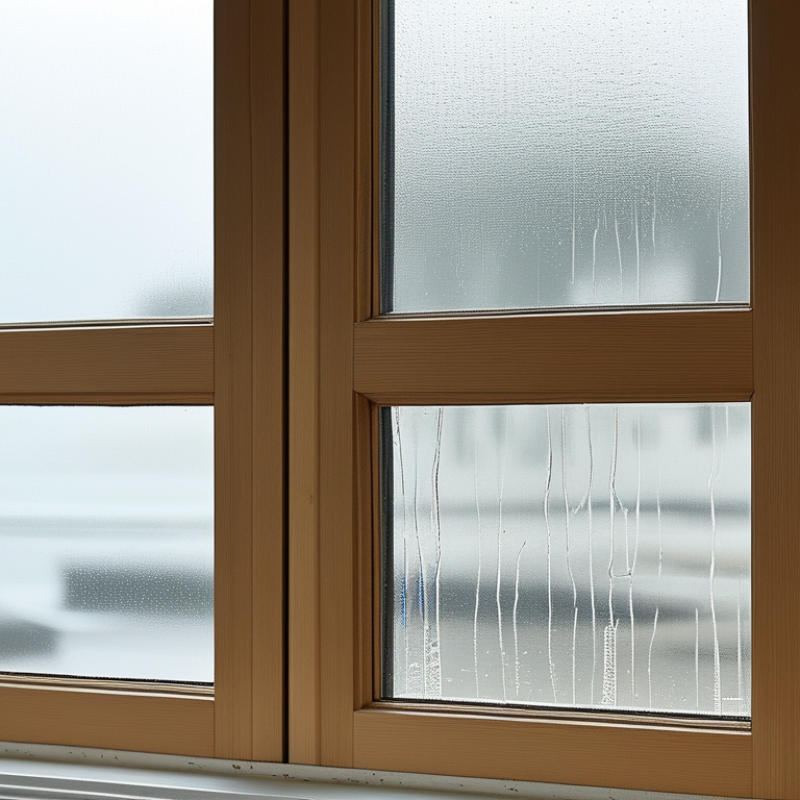
Look closely at the existing conditions. Do you feel a draft near the sash? Is condensation collecting along the lower glass edge? Does rainwater stain the interior trim? These clues may indicate more than an aging window. They can reveal damaged flashing, poor drainage, or hidden wall moisture. Replacing the glass alone might not solve the problem.
There is no universal winner. Vinyl windows often provide practical value and low maintenance. Fiberglass can offer greater rigidity and durability. Wood delivers warmth and traditional character, but it demands more care. Energy ratings also deserve attention, especially U-factor, solar heat gain coefficient, and air leakage. However, numbers should support judgment, not replace it.
Some recommendations may still be imperfect. Product availability changes, installation quality varies, and household priorities differ. A careful evaluation by a qualified local window professional can reduce expensive mistakes. The best replacement window is the one that fits your home, climate, comfort goals, and long-term maintenance expectations.
What Replacement Home Windows Are and Why They Matter
What Is the Best Type of Replacement Home Windows?
What Replacement Home Windows Are and Why They Matter
Replacement home windows are new window units installed within, or slightly beyond, an existing opening. They can replace worn sashes, cracked glass, failed seals, or poorly insulated frames. The right choice depends on climate, wall condition, ventilation needs, and installation quality.
Windows affect comfort more than many homeowners expect. The U.S. Department of Energy reports that heat gain and loss through windows account for about 25% to 30% of residential heating and cooling energy use. A low-emissivity coating, insulated glass, and a suitable U-factor can reduce unwanted heat transfer. A lower U-factor generally indicates better insulation. Solar heat gain coefficient also matters, especially in sunny rooms.
Details matter.
The National Fenestration Rating Council explains that certified ratings help compare U-factor, solar heat gain coefficient, visible transmittance, and air leakage. These numbers are useful, but they do not predict every home’s performance. A poorly measured opening can cause drafts, water intrusion, or difficult operation. I would also avoid assuming that the most expensive window is automatically the best replacement. Existing trim, moisture damage, and installer technique may matter more than a dramatic specification sheet.
A practical inspection should check sill softness, wall alignment, condensation patterns, and exterior drainage. Sometimes repair is wiser than replacement. That possibility deserves honest consideration.
What Is the Best Type of Replacement Home Window?
Glazing choice strongly affects insulation. The chart shows representative center-of-glass U-factors for common replacement window configurations. Lower U-factor means less heat transfer and better insulating performance.
Typical reference values: single clear glass ≈ 0.87, double-pane low-e glass ≈ 0.31, and triple-pane low-e glass ≈ 0.19 Btu/(h·ft²·°F). Actual whole-window ratings vary by frame, spacer, coating, size, and installation. Source: U.S. Department of Energy, Energy Saver.
How Different Window Materials Compare in Durability and Cost
What Is the Best Type of Replacement Home Windows?
How Different Window Materials Compare in Durability and Cost
Choosing replacement windows starts with the frame material, not the glass alone. Vinyl windows usually cost less and resist moisture, peeling, and routine maintenance. They work well in many homes, but lower-quality frames can warp in intense heat. Fiberglass frames are stronger and more stable across temperature changes. Their higher price may be reasonable for harsh climates or large openings. Aluminum frames are slim and durable, though they transfer heat more readily. That can increase energy loss without thermal improvements.
Wood windows offer natural insulation and a warm appearance. However, they need regular painting, sealing, and careful inspection around the sill. Neglected moisture can cause rot. This is where real installation experience matters. A durable material can still perform poorly when flashing or drainage is incorrect. Cost estimates should include removal, trim repairs, labor, and future maintenance. The cheapest quote is not always the cheapest window over twenty years. Still, premium materials do not guarantee better value in every house. That assumption deserves review.
Tips: Ask for written details about frame construction, glass type, warranties, and installation methods. Compare at least three itemized estimates. Check exposed corners and sample joints for weak finishes. In cold or hot regions, request energy-performance figures suited to your climate. Also inspect the wall around each opening before ordering. Small leaks often hide behind damaged trim.
Which Glass Features Improve Energy Efficiency and Comfort
What Is the Best Type of Replacement Home Windows?
Glass features often matter more than frame appearance. The U.S. Department of Energy reports that windows can cause 25–30% of a home’s heating and cooling energy use. Low-emissivity, or low-e, coatings reduce radiant heat transfer. They help retain warmth during winter and limit solar heat during summer. Double-pane glass adds an insulating air space. Argon gas usually performs better than ordinary air. Triple-pane glass can improve comfort in very cold climates, but it costs more and adds weight.
Check the NFRC label before comparing products. A lower U-factor generally means better insulation. A lower or higher solar heat gain coefficient, called SHGC, depends on climate and window exposure. Southern-facing rooms may need stronger solar control. North-facing rooms often benefit from higher solar gain. Warm-edge spacers can reduce heat loss around the glass perimeter. This small detail is easy to overlook. ENERGY STAR guidance also emphasizes climate-specific performance, not one universal specification. The numbers are useful, but they are not promises. Poor installation can weaken excellent glass.
Tips:
Ask for U-factor and SHGC values in writing. Inspect the spacer edge and seal condition. Confirm whether the installer uses continuous perimeter insulation. Watch for interior condensation after cold nights. A window can look efficient and still feel uncomfortable near an unsealed frame. Local shade, humidity, and orientation deserve a practical review before ordering.
How Window Styles Affect Ventilation, Light, and Maintenance
The best replacement window depends on how your room handles air, sunlight, and daily use. In home assessments, I have noticed that window style often matters more than decorative details.
Casement windows open outward and usually catch cross-breezes well. They suit bedrooms, kitchens, and upper-floor spaces needing steady ventilation.
Sliding windows open less widely, but they work neatly beside furniture or narrow walkways. Awning windows can provide airflow during light rain.
Small rooms need airflow.
Glass area also changes the character of a room. Larger panes bring more daylight, but they may increase glare and indoor heat near west-facing walls. A south-facing window can brighten a reading corner for hours.
Low-e glass, exterior shading, and properly fitted blinds can help control that heat. However, heavily tinted glass may make a room feel dim on cloudy days.
I once recommended maximum glass for a dark hallway, then realized the nearby tree blocked much of the expected light.
Maintenance deserves equal attention. Tilt-and-turn windows can make interior cleaning easier, especially above staircases. Fixed windows need almost no moving-part maintenance, but they cannot improve ventilation.
Hinged styles require periodic checks of hinges, seals, and locking points.
Sliding tracks collect dust quickly; a soft brush and mild cleaner usually work better than force.
Poor installation can cause drafts, water entry, or difficult operation, even with a well-designed window. A local professional should inspect wall conditions, drainage paths, and opening sizes before ordering replacements.
How to Choose the Best Replacement Windows for Your Home
Choosing replacement windows starts with your house, not a showroom label. A west-facing room may need different glass than a shaded bedroom. The U.S. Department of Energy reports that windows can cause 25–30% of residential heating and cooling energy use. That makes glass selection important.
Check each window’s U-factor and solar heat gain coefficient before comparing prices. A lower U-factor generally improves insulation. A lower solar heat gain coefficient can reduce afternoon heat. The National Fenestration Rating Council recommends using these ratings to compare window performance consistently. In practice, stand near the existing frame on a cold morning. If you feel a draft, the problem may involve installation, not only the glass. Measure twice.
Frame material also affects maintenance and appearance. Vinyl usually offers straightforward upkeep, while wood can provide a warmer interior finish but needs more protection from moisture. Installation quality matters greatly. Even an efficient window can underperform when gaps remain around the frame.
Budget expectations should stay realistic. Remodeling magazine’s 2024 Cost vs. Value report found that vinyl window replacement recovered about 67% of its cost at resale. That figure is an average, not a promise. Local climate, window size, labor, and condition can change the result. Ask contractors for itemized estimates, removal fees, warranty terms, and air-leakage data. A cheaper quote may leave out important work.