How to Choose the Best Vinyl Windows for Your Home?
When selecting the best vinyl windows for your home, understanding the choices available is crucial. Vinyl windows have gained popularity due to their durability and energy efficiency. According to a recent study by the American Window and Door Association, vinyl frames account for over 50% of the market share in residential windows.
Choosing vinyl windows involves more than just picking a brand or style. It’s essential to consider factors like insulation properties and climate impact. The National Fenestration Rating Council reports that energy-efficient windows can save homeowners up to 30% on heating and cooling costs. However, not all vinyl windows are created equal. There are variations in quality, features, and installation methods that can influence long-term performance.
Investing in new windows is significant, and the decision should not be rushed. You may find that your initial choice might not meet all your long-term needs. Consulting with experts and reviewing stakeholder feedback can lead to better decision-making. Ultimately, the right vinyl windows can enhance your house's comfort and appearance while improving energy efficiency.
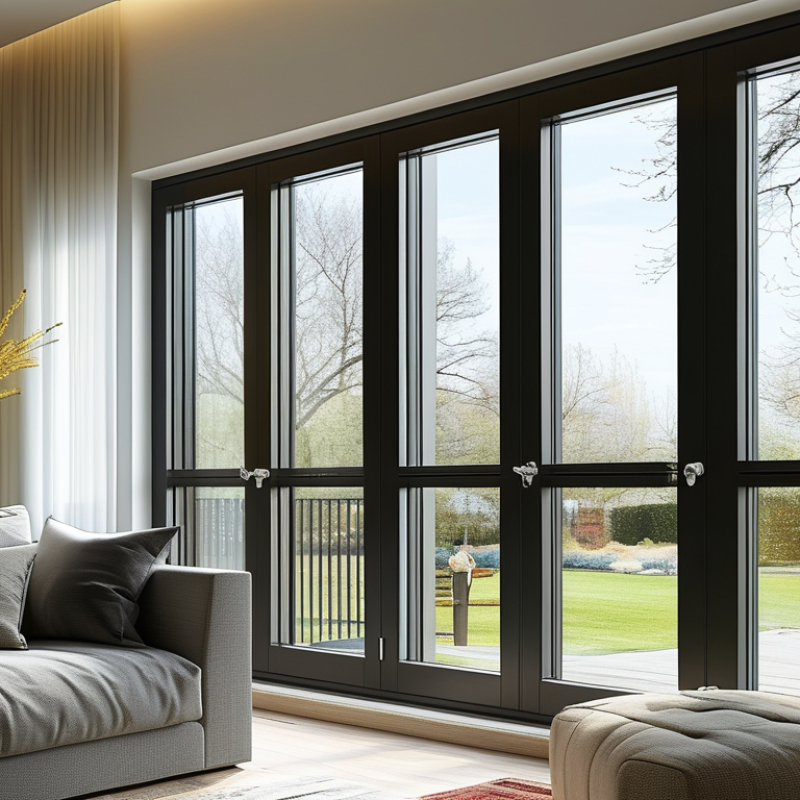
Understanding Vinyl Windows: Key Features and Benefits
Vinyl windows are a popular choice for homeowners due to their versatility and numerous advantages. These windows are known for their energy efficiency, with reports indicating that they can reduce energy costs by up to 30%. This is primarily due to their excellent insulation properties. Many homeowners seek to enhance indoor comfort while minimizing utility expenses.
They are also low-maintenance, resistant to warping and fading. Unlike wood windows, vinyl windows do not require painting or staining, making them a practical choice. However, some vinyl windows may experience color fading over time. It's essential to consider the UV resistance when selecting windows.
When choosing vinyl windows, look for Energy Star certification. This label ensures the windows meet specific energy efficiency standards. During installation, proper sealing is crucial to prevent air leaks that can compromise insulation. Additionally, consider the window frame thickness and reinforcement, as these factors influence durability. The right vinyl windows can contribute significantly to your home's comfort and aesthetics, but careful selection is key to maximizing their benefits.
Evaluating Quality: What to Look for in Vinyl Windows
When selecting vinyl windows for your home, quality is paramount. Understanding the materials and construction can guide your decision. Look for windows with multi-chamber frames. These enhance insulation, reducing energy costs. Double or triple-pane glass is another key feature. This improves energy efficiency and soundproofing.
Pay attention to the warranty offered. A strong warranty reflects the manufacturer's confidence in their product. Many quality windows offer lifetime warranties. Examine the finish and color options too. They should be durable and resistant to fading.
It’s essential to find windows that align with your home’s style. Customization might be necessary for unique architectural designs. Be wary of low-priced options. Sometimes, they compromise on quality. Look for reviews and ratings online. They can provide insight into long-term performance. Choosing the right vinyl windows requires careful evaluation. It's worth taking the time to compare choices.
Styles and Designs: Choosing the Right Aesthetic for Your Home
When selecting vinyl windows for your home, aesthetics play a crucial role. Various styles, from traditional to contemporary, can enhance your property’s visual appeal. Data shows that 76% of homebuyers prioritize curb appeal when choosing a home. Thus, aligning window design with your home's architecture is essential.
Vinyl windows are versatile. Consider options like double-hung, casement, or sliding styles. Each offers unique features that fit different designs. For instance, casement windows provide unobstructed views and ventilation. On the other hand, double-hung windows add a classic charm. Choose colors and finishes that complement your home's facade, as 54% of homeowners believe color significantly impacts home value.
A few tips can guide your decision. Visualize how different styles blend with your exterior. Consider local climate impacts; for example, dark colors may absorb more heat. Examine maintenance requirements, too. Simple designs often require less upkeep. Quality matters, so verify certifications from recognized organizations. These certifications ensure durability and energy efficiency, which are crucial given that windows can account for up to 30% of heating and cooling costs.
How to Choose the Best Vinyl Windows for Your Home? - Styles and Designs: Choosing the Right Aesthetic for Your Home
| Style |
Design Features |
Energy Efficiency |
Warranty |
| Double-Hung |
Classic design, two operable sashes |
Excellent thermal performance, Low-E options |
Limited lifetime warranty |
| Casement |
Side-hinged, modern aesthetics |
Optimal ventilation, high energy ratings |
20 years warranty on frame |
| Sliding |
Space-saving design, large view areas |
Good insulation, energy-efficient glass options |
10 years warranty on components |
| Picture |
Fixed design, unobstructed views |
High energy efficiency, low maintenance |
Lifetime warranty on glass |
Energy Efficiency Ratings: Importance in Vinyl Window Selection
Energy efficiency is crucial when selecting vinyl windows for your home. The National Fenestration Rating Council (NFRC) provides reliable metrics for measuring a window's performance, including U-factor, Solar Heat Gain Coefficient (SHGC), and Visible Transmittance (VT). A lower U-factor indicates better insulation, which can significantly reduce heating and cooling costs. For instance, a window with a U-factor of 0.30 can be 15% more efficient than one with 0.40.
The SHGC measures how much solar heat passes through a window. In warmer climates, a lower SHGC is typically more desirable. Conversely, higher values can benefit homes in cooler areas by allowing more heat to enter. Lastly, VT indicates how much natural light comes through the window. It's vital to find a balance among these ratings to meet both lighting and energy efficiency needs.
Bear in mind that not all vinyl windows perform uniformly despite similar ratings. Research shows that installation quality also plays a significant role in energy efficiency. Poor installation can negate the benefits of high-performing windows. Therefore, it’s essential to consider the installation process as part of your choice. Consulting with experienced professionals will ensure that your windows not only look good but also perform efficiently over time.
Budget Considerations: Finding the Best Value for Your Investment
When choosing vinyl windows, budget is a crucial factor. It’s essential to balance quality and cost. Many homeowners prioritize affordability but overlook long-term savings. High-quality windows may cost more upfront, but they often provide better insulation and durability. This choice can lead to lower energy bills over time.
Consider the lifespan of the windows. Some products may seem cheap but require frequent replacements. This factor can add up over the years. Investing in slightly more expensive vinyl windows might mean fewer headaches in the future. It's wise to consult professionals for advice tailored to your home's specific needs. Compare different options and read reviews to gauge reliability.
Reflect on the value of your investment. Sometimes, the cheapest option leads to regrets later. Think about warranty periods as well. A longer warranty can indicate a manufacturer's confidence in their product. While it’s easy to focus solely on the initial price, it’s critical to consider the total cost of ownership. Each dollar spent should contribute to long-term satisfaction.